Pongal
Breakfast • India
About Pongal
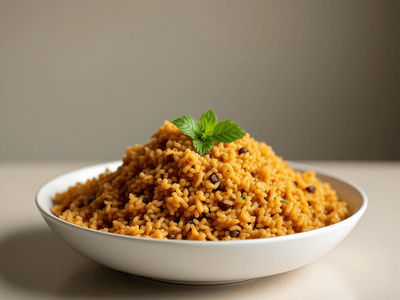
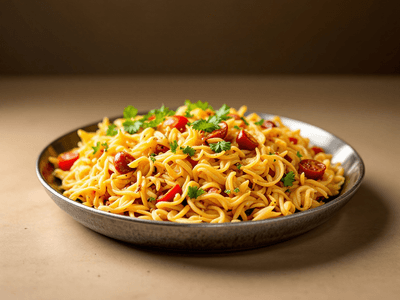
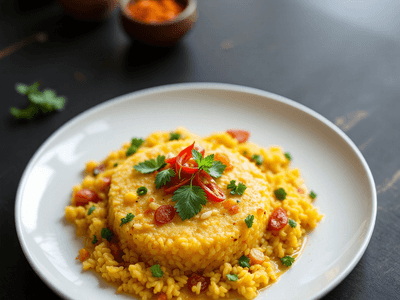
South Indian rice-lentil porridge tempered with ghee, pepper, and cashews. Comfort breakfast staple.
How to Make Pongal (Traditional & Healthy Version)
Pongal is a classic South Indian breakfast dish, celebrated for its comforting warmth and nourishing qualities. Originating from Tamil Nadu, Pongal is traditionally prepared during the harvest festival of Thai Pongal, symbolizing prosperity and gratitude for a bountiful crop. The word 'Pongal' itself means 'to boil over,' reflecting joy and abundance. The dish combines rice and moong dal (yellow split lentils), cooked together and tempered with fragrant spices like cumin (jeera), pepper (kali mirch), ginger (adrak), and ghee. With its creamy texture and mild flavors, Pongal is a staple in many households and is often enjoyed with coconut chutney and sambar. This healthy Pongal recipe brings authentic South Indian flavors to your table while being mindful of calories and nutrition. Its simple ingredients—rice, moong dal, and minimal ghee—make it ideal for those seeking a wholesome, vegetarian breakfast. Pongal is rich in protein, easy to digest, and perfect for busy mornings or festival celebrations. It’s a dish that unites families and communities, especially during South Indian festivities like Thai Pongal and Makar Sankranti, making it a meaningful addition to your Indian cuisine repertoire.
Ingredients(for 1 medium bowl (approx. 200g))
- 1/2 cup Rice (Chawal (short-grain preferred))
- 1/4 cup Moong Dal (Yellow split lentils)
- 2 1/2 cups Water (For cooking)
- 1 tablespoon Ghee (Clarified butter)
- 1/2 teaspoon Black Pepper (Kali mirch, freshly crushed)
- 1/2 teaspoon Cumin Seeds (Jeera)
- 1 teaspoon Ginger (Adrakh, finely chopped)
- 6-8 units Cashew Nuts (Kaju, split) - optional
- 6-8 leaves Curry Leaves (Kadi patta)
- to taste Salt (Namak)
Instructions
- 1
Wash rice (chawal) and moong dal thoroughly. Soak them together for 10 minutes.
10 minutes
Soaking helps reduce cooking time and improves digestibility.
- 2
In a pressure cooker or heavy-bottomed kadhai, add soaked rice and moong dal with water. Add salt.
2 minutes
Use a ratio of 1:2 for dal to rice for creamier Pongal.
- 3
Cook for 3 whistles (pressure cooker) or simmer covered until soft and mushy.
15 minutes
Ensure the mixture is well-cooked and slightly runny for authentic texture.
- 4
Heat ghee in a small tadka pan. Add cumin seeds (jeera), crushed black pepper (kali mirch), ginger (adrak), cashews (if using), and curry leaves.
2 minutes
Roast cashews until golden for extra crunch and flavor.
Why This Dish is Healthy
This Pongal recipe is a healthy choice because it uses whole, plant-based ingredients and avoids heavy fats or oils. Moong dal is low in fat and rich in essential amino acids, supporting muscle health. The recipe’s spices enhance metabolism and digestion. By controlling ghee and portion size, Pongal fits well into weight management and diabetic diets, making it suitable for calorie-conscious eaters.
Pongal is nutritionally balanced, offering a good mix of complex carbohydrates from rice and protein from moong dal. The addition of cumin and black pepper aids digestion, while ginger provides anti-inflammatory benefits. Cashews contribute healthy fats and minerals. With minimal ghee, this recipe keeps saturated fat low. Pongal delivers energy, B vitamins, magnesium, and fiber, making it ideal for a healthy vegetarian diet.
Pro Tips
- 💡Tip 1: Use short-grain rice for creamier Pongal.
- 💡Tip 2: Freshly crushed black pepper enhances aroma and flavor.
- 💡Tip 3: For vegan Pongal, substitute ghee with cold-pressed coconut oil.
Storage & Serving
Store leftover Pongal in an airtight container in the refrigerator for up to 2 days. Reheat with a splash of water or ghee to restore creamy texture before serving.
Best served: Breakfast or Lunch
Nutrition Facts
| Nutrient | Per 100g |
|---|---|
| Energy | 270.0 kcal |
| Protein | 8.0 g |
| Carbohydrates | 38.0 g |
| Total Fat | 10.0 g |
| Fiber | 2.0 g |